The Social Network for Sustainability, Climate Action & Eco-Conscious Living
Triave Green is the world's first dedicated sustainability social network. Connect with 80+ posts from eco-conscious individuals, green entrepreneurs, climate activists, and sustainability advocates worldwide. Share zero waste tips, renewable energy innovations, biodiversity discoveries, and sustainable living insights.
Ecocide law campaign update: the ICC is reviewing a proposal to add ecocide as the fifth international crime alongside genocide and crimes against humanity. If passed, executives authorising large-scale environmental destruction face personal criminal liability. This changes the incentive structure entirely. The barrier to destructive development is currently a fine. A prison sentence is different.
Community composting programme: 8,400 households now on the collection route. Diversion from landfill: 34% of total household waste by weight. The compost sells to local farms at cost price — closed nutrient loop within 40km. Next challenge is getting apartment blocks on board. The infrastructure exists. The last mile is behaviour.
Repair café monthly numbers: 67 items brought in, 54 successfully repaired — 81% success rate. Items ranged from a 1960s sewing machine to a cracked phone screen to a leather jacket. We prevented approximately 340kg of waste and saved participants an estimated £2,400 in replacement costs. Skills are sustainability infrastructure.
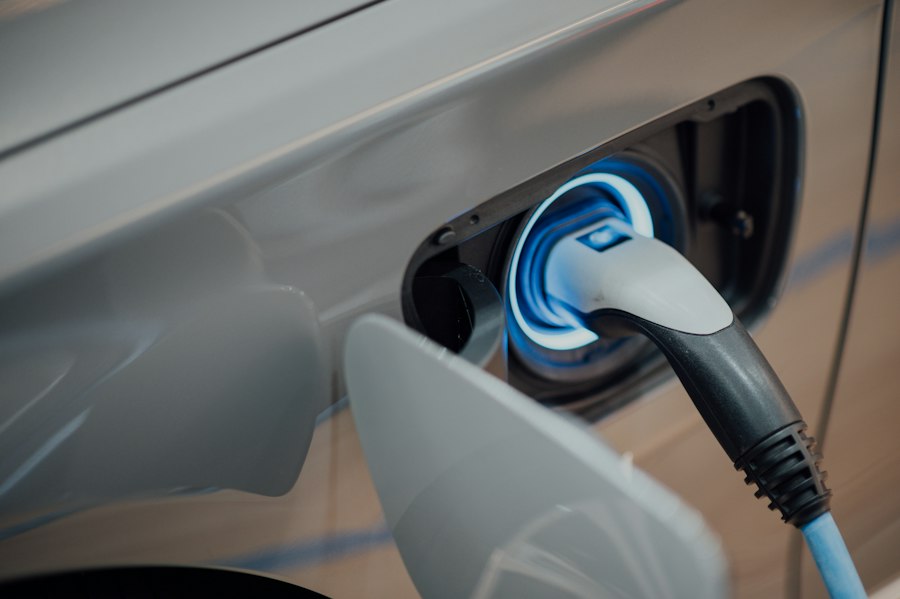
EV road trip London to Edinburgh: 650km, charged three times, total charging time 47 minutes. Total energy cost: £18.40. Equivalent diesel: £94. The range anxiety narrative is outdated on major routes. The economics are undeniable. The experience was genuinely better — quieter, smoother, and I stopped in places I would have driven past.
Water audit of our household: 127 litres per person per day, down from 210 at year start. Changes: 4-minute shower timer, greywater reuse for toilet flushing, rainwater collection for garden, fixed a dripping tap wasting 15 litres/day. Water scarcity affects 2 billion people today. Treating water as precious costs nothing and changes everything.
Post-growth economics reading list: Doughnut Economics (Raworth), Prosperity Without Growth (Jackson), Less Is More (Hickel). The consensus is building — GDP growth as the organising principle of civilisation is incompatible with biosphere stability. The political question is how you build majorities for the alternative without waiting for catastrophe to force the issue.
Zero waste kitchen transformation complete. Replaced all plastic storage with glass and stainless steel. Installed a worm composting unit under the sink. Switched to bar soap, shampoo bars, solid toothpaste tablets. Monthly residual waste now fits in a 500ml jar. The hardest part was packaged food — solution: cook from scratch 90% of the time. Cheaper AND better.
Atmospheric CO2 at 421 ppm — tracked from our rooftop monitoring station in Bangalore for three years now. The morning rush hour peak is measurable in our local data. The number is abstract until you watch it climb in real time every single day. This is what bearing witness to history means.
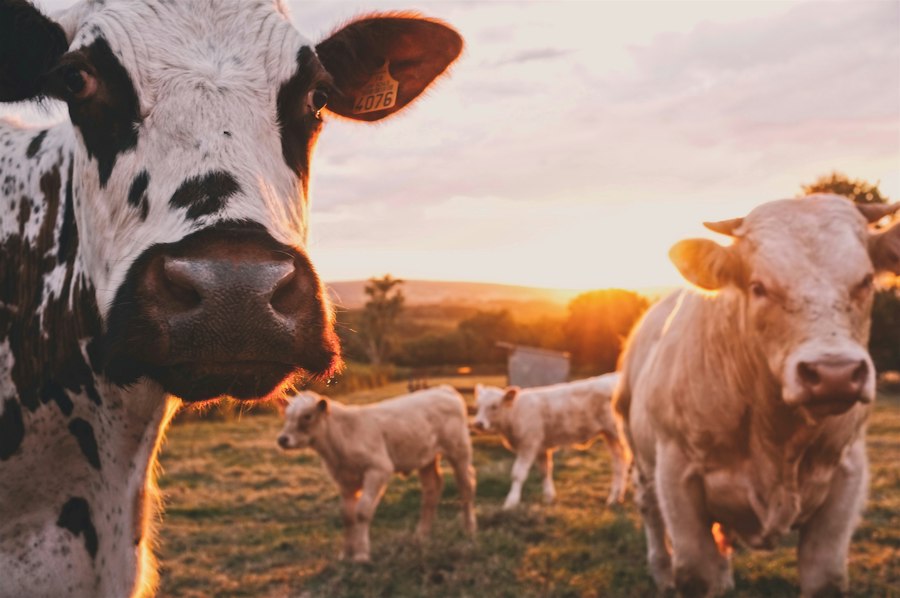
Regenerative grazing trial year 3: mob grazing with 200% longer rest periods than conventional. Soil organic matter up from 2.1% to 4.8%. Carbon sequestration: 1.4 tonnes CO2e/ha/year. The cattle performing the role of historical bison herds — disturbance followed by long recovery builds soil. Beef is not inherently destructive. Management is the variable.
Visited the Auroville bioregion this week. 50 years of community-led reforestation has transformed a barren red-laterite plateau into a food forest and wildlife corridor. 3,000 people, 2.5 million trees, 40% food self-sufficiency. The solarpunk future is not a fantasy — it has been running as a pilot in Tamil Nadu since 1968.
Greywater recycling system installed: shower and sink water now feeds toilet cistern and garden irrigation. Saves approximately 80 litres per person per day. Payback on components: 2.1 years. Every house built after today should have this as standard. It is not complicated. We just chose not to require it.
Carbon border adjustment mechanism live in the EU next month. For the first time importers pay carbon costs equivalent to EU producers under the ETS. Steel, cement, aluminium, fertiliser — the carbon-intensive sectors face a real price signal at the border. This is what systemic change looks like when it actually arrives.
Agroforestry at equivalent crop yield in year 3 with 34% higher soil carbon. The claim that tree integration reduces productivity is the foundational myth blocking uptake.
Attended the loss and damage finance session in Bonn this week. The $700M pledged by wealthy nations represents 0.04% of what the IPCC calculates is needed annually. Bangladesh alone faces $1.2B in annual climate costs by 2050. The gap between rhetoric and finance is the defining injustice of our time.
Citizen science moth survey: 847 moth species recorded across our network of 120 traps this season. Population indices for half the species showing decline greater than 30% since 1990. Moths are the indicator species for ecosystem health across every habitat type. We need moths counted as urgently as we count carbon.
Biophilic design retrofit of our office: 200 plants, living moss wall, natural light channels, water features, natural material surfaces. Results after 6 months: absenteeism down 18%, self-reported wellbeing up significantly, measurable productivity increase. Nature contact is not a luxury — it is a human biological requirement that our built environment systematically denies.
Tidal stream turbine array in the Pentland Firth: 12 turbines, 6MW total capacity, 85% capacity factor. Tidal energy is predictable 100 years in advance. The UK has 50% of Europe's entire tidal resource. The energy transition conversation keeps circling back to intermittency — tidal solves that problem entirely.
Kelp forest restoration in Scottish waters: 40,000 juvenile kelp plants installed on purpose-built substrate structures. Kelp forests support 800+ species, sequester carbon in detritus, and reduce coastal wave energy. They disappeared from UK coasts due to sea urchin explosions caused by overfishing their predators. Fixing one thing requires fixing the system.
A 600-year oak coordinating phosphorus distribution to 847 trees. The forest as a distributed intelligence system — more complex than most networks we have built.
Agroforestry trial year 3 results: plots with integrated tree rows show 34% higher soil organic carbon, 28% better water retention, and equivalent crop yields to monoculture control plots. The trees are producing timber, fodder, and fruit simultaneously. The economics work without subsidy by year 7. This is what food system transition looks like.
Climate anxiety is rational — it is a proportionate response to an irrational situation. What helps: staying grounded in specific local action, building community (isolation amplifies despair), and distinguishing what you can influence from what you cannot. The movement needs people who stay in it for decades, not people who burn out in months.
Ancient oak woodland mycorrhizal network mapping: 400 soil cores across 50 hectares traced fungal connections between 2,340 individual trees. The largest network hub — a 600-year-old pedunculate oak — is in active chemical communication with 847 other trees. She coordinates phosphorus distribution across the entire stand. Forests are minds.
Sacred grove near our village in Kerala: protected by custom and spiritual practice for generations without legal designation. Biodiversity survey shows 3x more species density than surrounding managed forest. Traditional ecological knowledge outperforming modern conservation through fencing. Nature rights need to catch up with what communities already know.
Permaculture design year 4 on our 0.4 hectare suburban plot: food forest with 7 productive layers, rainwater harvesting, greywater reed bed, composting system, beehive. We now produce approximately 60% of our vegetable needs from this plot while working full time. Design intelligence replaces energy and labour input.
Six-year rewilding update on our 240-acre former wheat farm in Wiltshire: 18 distinct habitat types now mapped. Barn owls, water voles, purple emperor butterflies, and last week — a confirmed otter sighting on the stream. We did nothing except stop doing things. Restraint is the most radical act in conservation.
Green roof installation on our warehouse: 1,200m² of sedum and wildflower mix. Summer internal temperature reduced by 6°C without air conditioning. Stormwater runoff reduced by 70%. Expected lifespan 50+ years vs 20 for conventional membrane. The £18/m² premium is recovered in energy savings within 7 years.
Wildflower meadow year two: from bare agricultural field to 43 native species in a single 1-hectare plot. Bee survey counted 18 species including the nationally scarce brown-banded carder bee. Total spend: £340 on seed mix, zero on maintenance after year one. Biodiversity restoration doesn't have to be expensive — it has to be patient.
Mangrove restoration along the Tamil Nadu delta: 12,000 propagules planted this monsoon. Mangroves sequester carbon at 4x the rate of tropical forests per hectare, provide nursery habitat for 80% of commercial fish species, and absorb cyclone surge energy. The most cost-effective climate intervention I know of.
Solar cooking workshop: 24 participants built parabolic cookers from cardboard and aluminium foil. Boiled water in 18 minutes, cooked rice in 35 minutes, zero fuel. In regions with 300+ sunny days per year, solar cooking could eliminate the 4 million annual deaths from indoor wood smoke. The barrier is not technical. It is social infrastructure and behaviour.
1.4 tonnes/ha/year sequestration through mob grazing. The rehabilitation of ruminants as ecological tools is one of the more important intellectual shifts in agriculture.
Ocean plastic audit on a 2km stretch of Kerala coastline: 340kg collected in six hours. 67% single-use packaging, 18% fishing gear, 15% miscellaneous. The packaging was 80% traceable to five FMCG companies. This is a producer responsibility problem with known actors. Individual behaviour change is necessary but not sufficient.
Whanganui River legal personhood update: the river's guardian office successfully challenged 3 development applications that would have increased sediment load. Legal personhood gave nature standing in court it would not otherwise have had. Rivers Rights jurisprudence is working in practice, not just in theory.
Indigenous fire ecology field visit in Northern Territory: traditional burning practised over 65,000 years maintains a mosaic of habitat types that catastrophic wildfires destroy. The Larrakia rangers are preventing more carbon emissions per hectare than any engineered solution, at a fraction of the cost. Decolonising conservation starts with listening.
Battery storage economics 2024: grid-scale LFP now at $97/kWh, down from $1,200/kWh in 2010. The crossover where storage plus solar is cheaper than any fossil fuel for peak power has been reached in 78% of global markets. The energy transition is now driven by economics not policy. Policy just needs to stop blocking it.
Coral reef restoration update from the Lakshadweep project: 847 coral fragments transplanted in January showing 91% survival rate with measurable growth. We use 3D-printed limestone substrate structures that mimic natural reef geometry. Biodiversity returning within 8 months of transplanting. The reef remembers what it was.
Mangroves at 4x the sequestration rate of tropical forest, with fisheries and storm protection co-benefits. The most underinvested nature-based solution in the portfolio.
Aquaponics at full capacity: 200 tilapia producing waste that feeds nitrogen to 40m² of leafy greens and herbs. Water use: 10% of equivalent soil-based growing. No synthetic fertiliser. Fish fed on duckweed grown in a separate tank on waste water. Closed loop food production in 80m² of urban space.
Direct air capture unit at our research facility running at 1 tonne CO2/day. Energy use: 2,100 kWh/tonne — still high, but novel sorbent materials in testing should cut this to 900 kWh/tonne within 18 months. Powered entirely by rooftop PV. The physics work. The economics need scale.
Slow fashion month: bought nothing new. Repaired a pair of jeans with visible mending, resized a shirt, had boots resoled, swapped three items with friends. Fashion industry emits more carbon than aviation and shipping combined. The solution isn't buying "sustainable" brands — it's buying dramatically less and maintaining what you already own.
Vertical axis wind turbines installed on our apartment block in Mumbai. Not grid-scale, but they power common area lighting and lift — cutting our society's electricity bill by 38%. Urban wind is underrated if you design for turbulence rather than ideal laminar flow. The key is low cut-in speed turbines.
Urban wind designed for turbulence rather than ideal laminar flow — the reframe that makes distributed urban energy viable. Cut-in speed, not peak performance.
Green hydrogen from offshore wind: our pilot electrolyser producing 40kg H2/day at 67% efficiency. The hydrogen goes directly to a nearby steel plant, displacing coking coal in the direct reduction process. Green steel at scale is 10 years away. This is year one. The trajectory matters more than the current volume.
Wetland restoration hydrology: re-plugging drainage ditches across 180 hectares raised water table by average 34cm. The peat was oxidising and releasing CO2 at 7.2 tonnes/ha/year. Now a net carbon sink at 2.1 tonnes/ha/year sequestration. A 9.3 tonne/ha/year swing from one simple intervention. Water makes the difference.
Phytoremediation using Thlaspi caerulescens (alpine pennycress) on heavy metal contaminated allotments: 73% reduction in bioavailable cadmium after three growing seasons. The plants are then composted in a controlled facility. Slow but the soil is fixed, not relocated. The cadmium is permanently removed from the food chain.
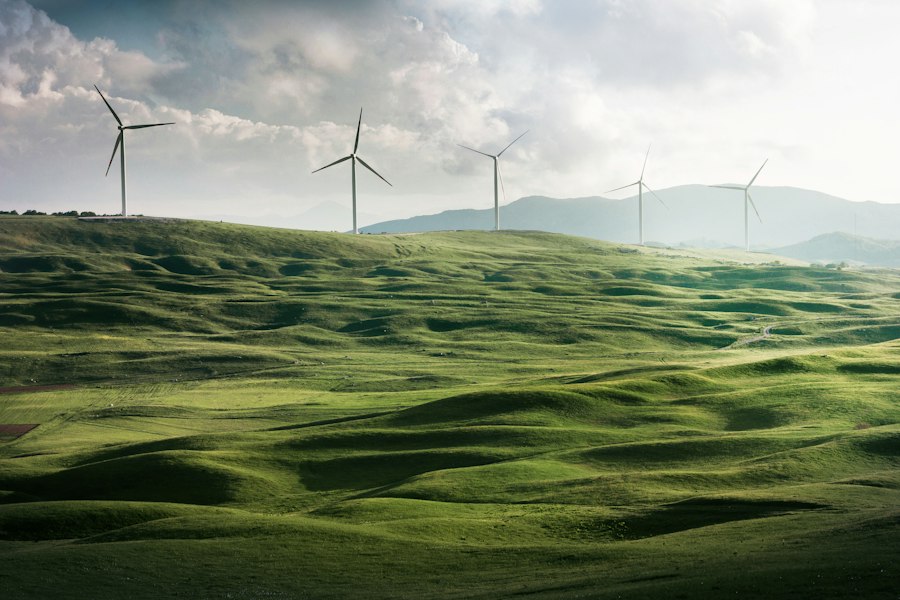
Scotland covered 67% of its electricity demand from wind last month. For three consecutive days it exceeded 100%, with surplus exported south. Scotland is the proof of concept that 100% renewable electricity is operationally achievable today — not in 2050, not a modelling exercise, today.
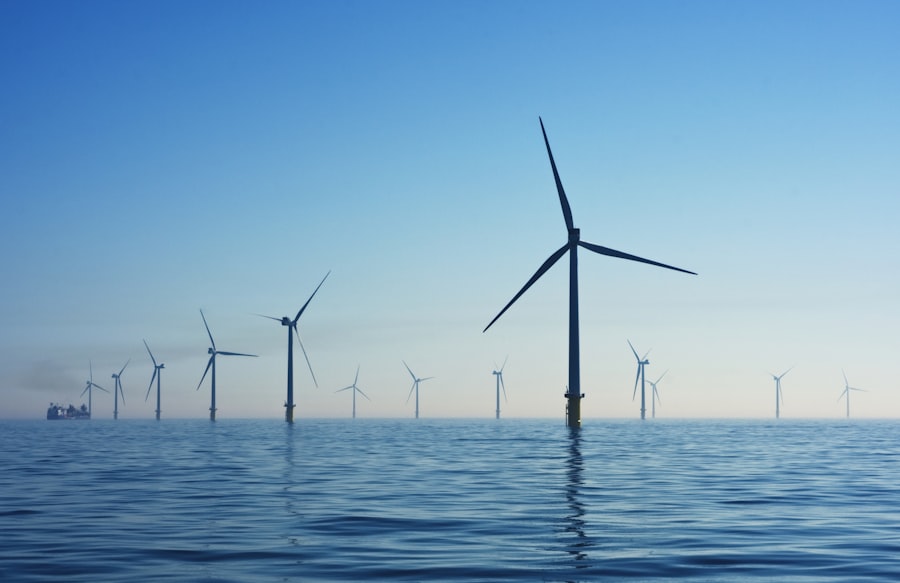
15 offshore turbines per week globally. The energy transition has passed the point of being stoppable by politics — the industrial momentum is too great.
Hedge laying course complete: ancient craft producing a stock-proof boundary while maximising biodiversity value. A properly laid hedge is 40x richer in species than a fence. Takes 15 years to fully establish. One kilometre provides habitat for 80 bird species. Skills that maintained this landscape for millennia are being lost in a single generation.
EV cooperative charging: 24 charge points across 6 community car parks powered by a shared 120kW solar array with 200kWh battery buffer. Members charge free between 10am-4pm on solar excess. Three taxi companies have now electrified their full fleets using our infrastructure. Shared infrastructure beats individual ownership for EVs in dense areas.
Mycoremediation trial: shiitake mycelium inoculated into diesel-contaminated soil at 12,000 ppm TPH reduced contamination below detection threshold in 14 weeks. No excavation, no chemicals, no energy input beyond the spawn. We are going to use fungi to clean up the industrial age.
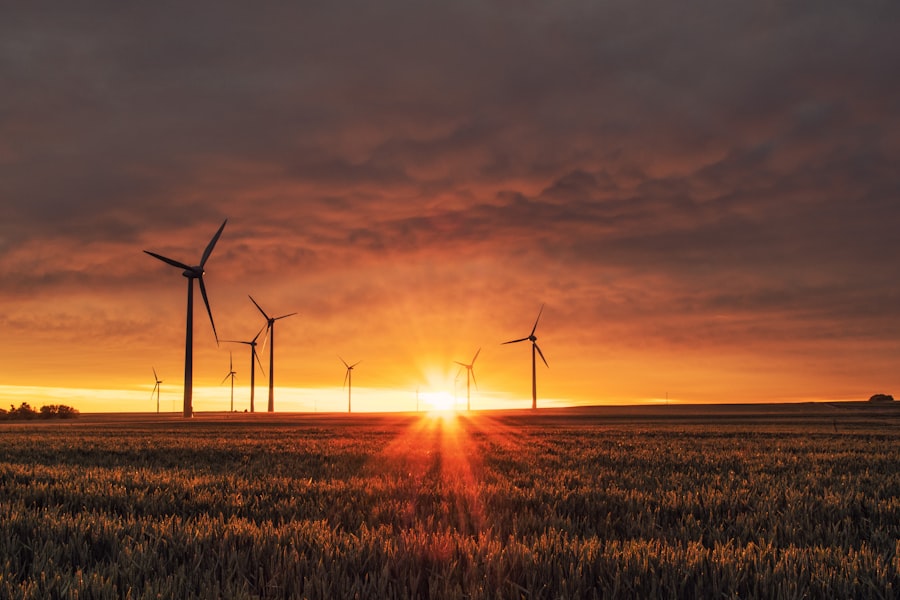
Offshore wind turbine installation in the North Sea today. Each blade is 107 metres long — longer than a football pitch. One revolution at rated wind speed generates enough electricity to power 30 homes for an hour. We are building 15 of these per week globally. The scale of the transition is hard to visualise.
$0.04/litre for solar desalination of brackish groundwater. At that price point this competes with bottled water in rural markets and the cost is still falling.
Community seed library launched: 340 heritage vegetable varieties collected from local farmers, documented, and made freely available to anyone who grows and returns seeds. 2,800 seed packets distributed in three months. Food sovereignty is seed sovereignty. Industrial monocultures are a single disease away from catastrophe.
Passive house retrofit complete. Pre-retrofit energy use: 18,400 kWh/year. Post-retrofit: 2,100 kWh/year. Interventions: 300mm external wall insulation, triple glazing, MVHR, airtightness to 0.4 ACH@50Pa. No boiler. Heated entirely by body heat, solar gain, and a 2kW heat pump. Buildings are the lowest-hanging carbon fruit we keep ignoring.
Net zero by 2050 is not a plan — it is a deadline with 90% of the work deferred. Most corporate net zero pledges rely on carbon removal technologies that don't exist at scale. The IPCC models show every year of delay makes the trajectory steeper and more disruptive. We are in a political economy problem, not a technical one.
Solar desalination in coastal Tamil Nadu: concentrated solar driving multi-effect distillation producing 5,000 litres of clean water daily from brackish groundwater. No grid electricity, no fossil fuel. The unit cost is $0.04/litre and falling. Scaling to 50,000 litres is the next phase.
Soil health is civilisation's balance sheet. We have lost 50% of topsoil in 150 years of industrial agriculture. It takes 1,000 years to form 1cm naturally. Regenerative practices can build 1cm in 3 years under optimal conditions. We know exactly how to do this. The question is scale and speed.
Seagrass restoration in Chilika Lake: 3.2 hectares planted via seed dispersal and transplanting. Seagrass sequester carbon at rates comparable to mangroves, support juvenile fish populations, and oxygenate sediment. Global decline of 30% since 1980. This is reversible with sustained effort.
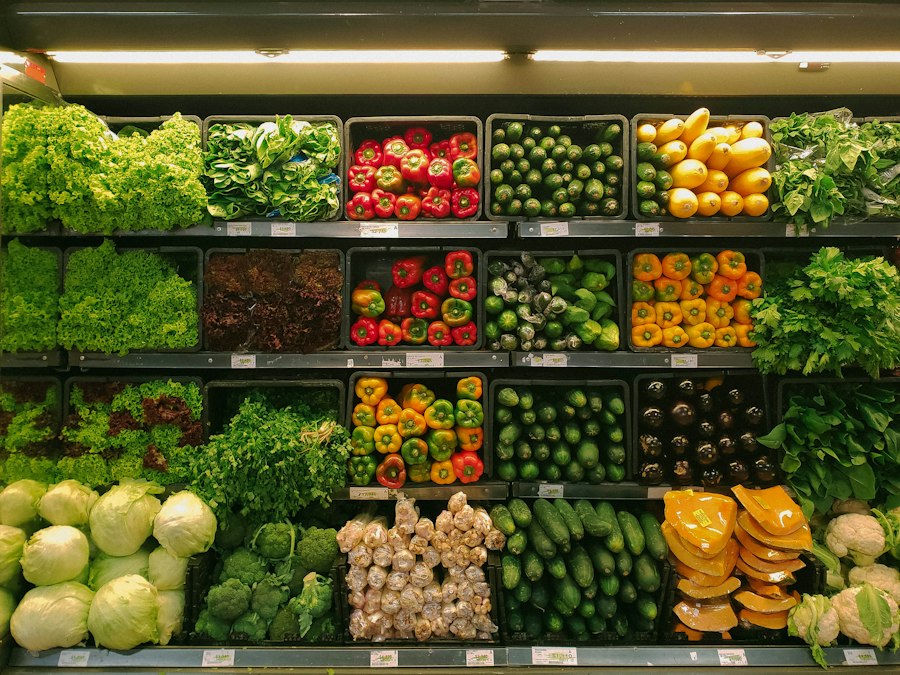
Plant-based transition month 6 data: food carbon footprint down from 2.8 to 0.7 tonnes CO2e/year. Grocery spend down 23% — legumes and grains are cheap. LDL cholesterol down 18%. B12 supplementation required. The environmental case is closed. The health case is strong. The cost case is a myth perpetuated by people who have never cooked a lentil.
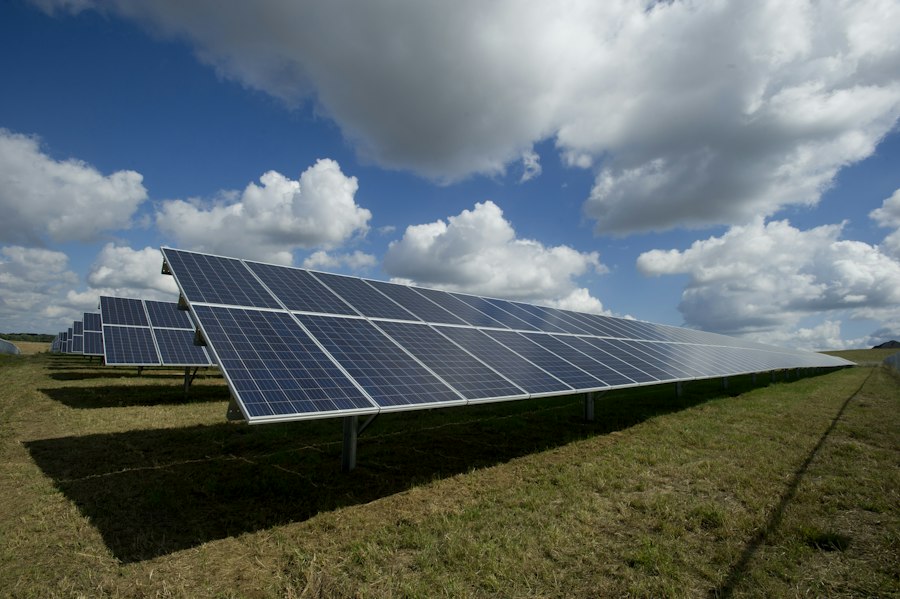
Floating solar reducing evaporation by 28% while generating power. The dual-use land and water resource argument will be decisive in water-scarce agricultural regions.
Floating solar on our irrigation reservoir: dual win — 340kW of power generation AND evaporation reduced by 28%. The panels shade the water, the water cools the panels improving efficiency by 5-10%. Farmers getting free electricity and keeping more water. 12,000m² installed across our district this season.
Eight months on the e-bike commute. Distance: 22km each way. Time vs car: +8 minutes door to door (no parking hunt). Cost: €0.12/day vs €6.40/day for fuel and parking. Resting heart rate: dropped 11 BPM. Carbon saved to date: 2.1 tonnes CO2. The only question I have is why I waited eight years.
Night sky restoration: our Dark Sky Park designation has reduced light pollution by 76% over 5 years. The Milky Way is visible from the village for the first time in living memory. 30% of vertebrate wildlife is nocturnal. We have been destroying their habitat with light while not even recognising it as habitat.
Biochar production from agricultural residues: rice straw and coconut husk through a TLUD gasifier. 1 tonne of biomass → 300kg biochar sequestering 1.1 tonnes CO2e for 1,000+ years. Mixed into soil it improves water retention by 40% and reduces fertiliser need by 25%. Carbon removal that simultaneously improves soil.
Perovskite-silicon tandem solar cells achieving 33.9% efficiency in the lab this week — breaking the single-junction theoretical limit. The manufacturing cost curve is dropping faster than silicon did in 2010. We are watching the energy transition become economically inevitable in real time.
Urban heat island measurement: temperature differential between our city centre and peri-urban fringe averaged 4.7°C across last summer. The hottest spots correlate perfectly with absence of tree canopy. Every degree of urban cooling requires approximately 15 trees per hectare. We are planting 400 this autumn.
Doughnut Economics applied in Amsterdam: city council formally adopted the doughnut model for post-COVID recovery. Five years on: measurable improvements in 8 of 12 social foundation metrics while reducing 4 of 8 ecological ceiling overshoots. Cities are the scale at which doughnut economics can actually be governed. What Amsterdam has done is replicable.
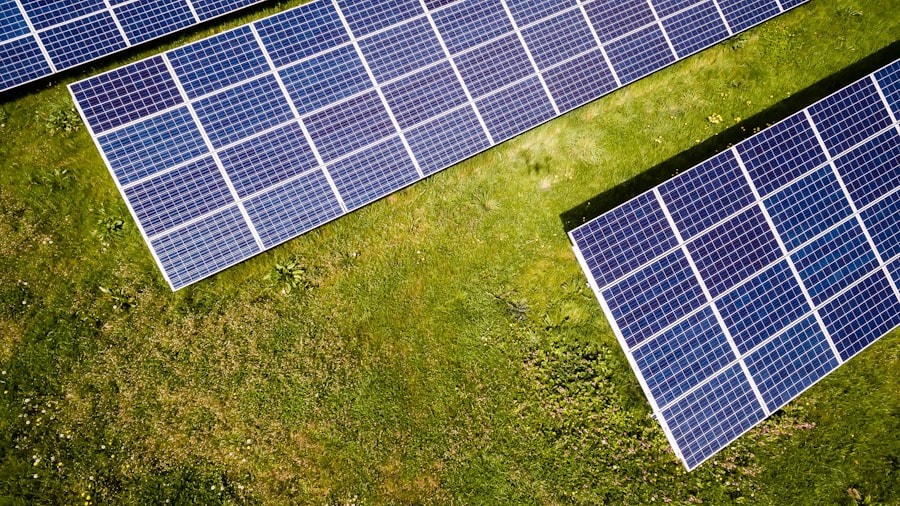
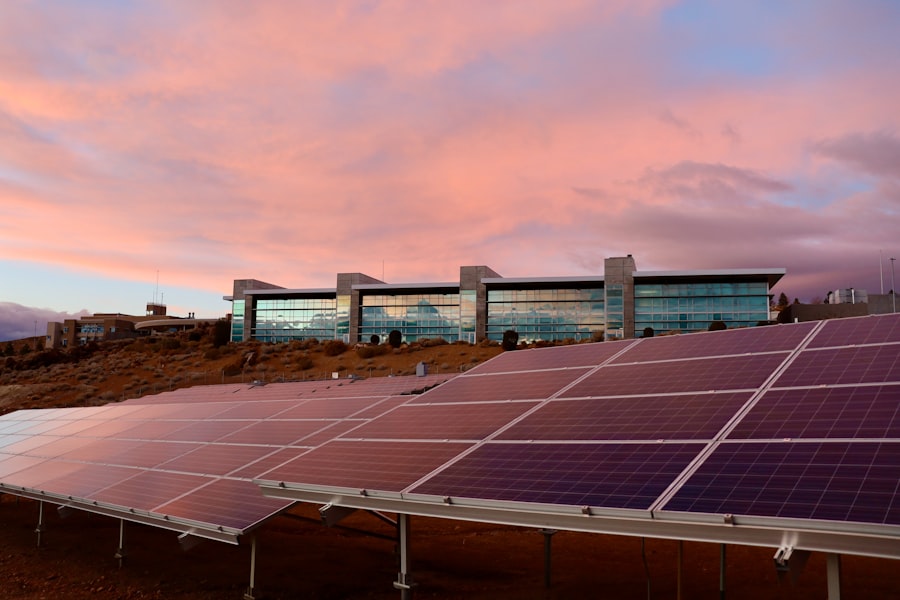
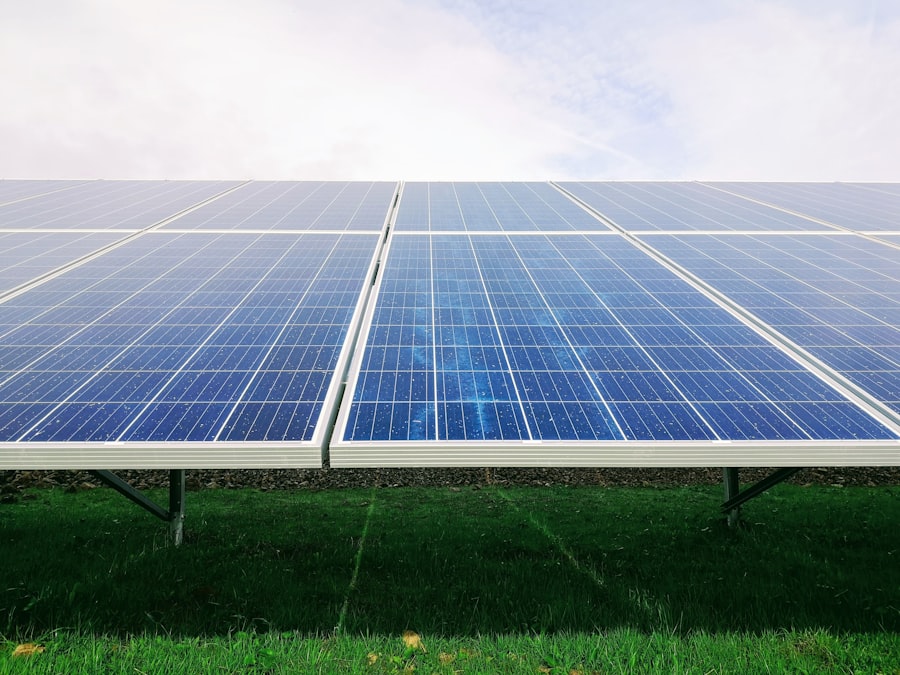
Just completed our community solar co-op: 42 households pooling resources to install a shared 180kW rooftop array on the old mill building. Each household gets proportional electricity credits. First full month: average bill reduction of £87/household. The economics of collective ownership beat individual installation every time.
Bamboo construction workshop building: engineered bamboo structural frame with tensile strength equivalent to structural steel. Sequesters 35 tonnes CO2/hectare/year in growing phase. Harvestable every 5 years vs 80 years for structural timber. The smell inside the finished building is extraordinary. This material belongs in every architect's palette.
Triave Green is a global sustainability-focused social network and eco community platform connecting environmentally conscious individuals, green entrepreneurs, sustainability advocates, and climate activists. Whether you care about zero waste living, renewable energy, climate change, biodiversity, ocean conservation, sustainable fashion, or eco-friendly business — Triave Green is your home online.
📰 Sustainability Feed — share eco tips, green innovations, and climate stories
🌿 Eco Points System — earn points for every green action you take
🏆 Green Challenges — zero waste week, plastic-free month, tree planting drives
🌊 Eco Ripples — 24-hour sustainability stories to inspire your community
💬 Direct Messaging — connect with sustainability advocates worldwide
 Triave Green